
Home Safety Audit for Seniors: Room-by-Room Checklist
A room-by-room senior home safety audit for Indian families covering bathrooms, bedrooms, kitchens, lighting, stairs, medicines, and emergency access.
Quick Answer
A senior home safety audit checks whether the home helps or harms daily function. Families should review bathrooms, floors, lighting, stairs, footwear, kitchen access, medicine storage, emergency contacts, and night-time movement. The goal is to prevent falls, confusion, missed medicines, and delayed help.
Key numbers to know
Fall risk is a major reason to review home safety before a crisis.
Bathroom, bedroom, stairs, kitchen, and entry route.
Check bed-to-toilet movement in the actual night lighting.
Main guide
The home should support ability
A parent may seem stable in the daytime and still be unsafe at night. Dim light, loose rugs, slippery bathrooms, low chairs, cluttered corridors, and hidden medicine boxes can turn mild weakness into a serious event.
A safety audit is not about making the home look clinical. It is about making ordinary routines easier and safer while preserving dignity.
Audit the route, not only the room
Families often fix one bathroom handle but ignore the route from bed to bathroom, the switch location, the footwear, and the need to turn while sleepy.
Walk the elder's actual daily path: bed to toilet, bed to prayer space, chair to dining table, door to lift, and kitchen to seating. This reveals risks that a checklist alone can miss.
When the home is not enough
If repeated modifications still leave the elder isolated, afraid to move, or dependent for every small task, the family should consider whether community living would better protect function.
A senior-friendly community can reduce hidden hazards by offering safer paths, better access, nearby support, and predictable social routines.
9 home safety checks families should complete
- 01
Bathroom grip and flooring
Review anti-skid surfaces, grab bars, seat height, water pooling, and the ability to call for help.
- 02
Lighting at night
Check bed, toilet route, switches, corridor, stairs, and emergency lighting.
- 03
Chair and bed height
Low seating can make standing unsafe. The elder should rise without risky pulling or rocking.
- 04
Footwear
Loose slippers and smooth soles increase fall risk. Footwear should fit and grip well.
- 05
Clutter and rugs
Remove loose mats, wires, low stools, and objects that narrow walking routes.
- 06
Kitchen access
Keep frequently used items at safe height and reduce bending, climbing, or reaching.
- 07
Medicine visibility
Store medicines in a clear system, away from heat and confusion with old prescriptions.
- 08
Emergency contact display
Keep names and numbers near the phone and on the refrigerator or care board.
- 09
Entry and lift route
Check steps, handrails, thresholds, lift access, security response, and night visibility.
Room-by-room senior safety audit
| Care Area | What to Watch | Family Action |
|---|---|---|
| Bathroom | Slippery floor, no grab bar, low toilet, locked door, poor drainage. | Install grip support, improve drainage, and allow emergency access. |
| Bedroom | Low bed, far switch, loose rugs, no night light, hard-to-reach phone. | Place lighting, phone, water, and walking aid within safe reach. |
| Kitchen | Heavy vessels, high shelves, gas risk, bending, and poor ventilation. | Simplify storage and reduce tasks that require climbing or rushing. |
| Stairs and entry | Uneven steps, weak railing, low contrast edges, and wet surfaces. | Add rail support, contrast, lighting, and a safer route where possible. |
| Living area | Crowded furniture, unstable chairs, wires, pets, or blocked pathways. | Create clear walking lanes and stable seating with arm support. |
Care in practice
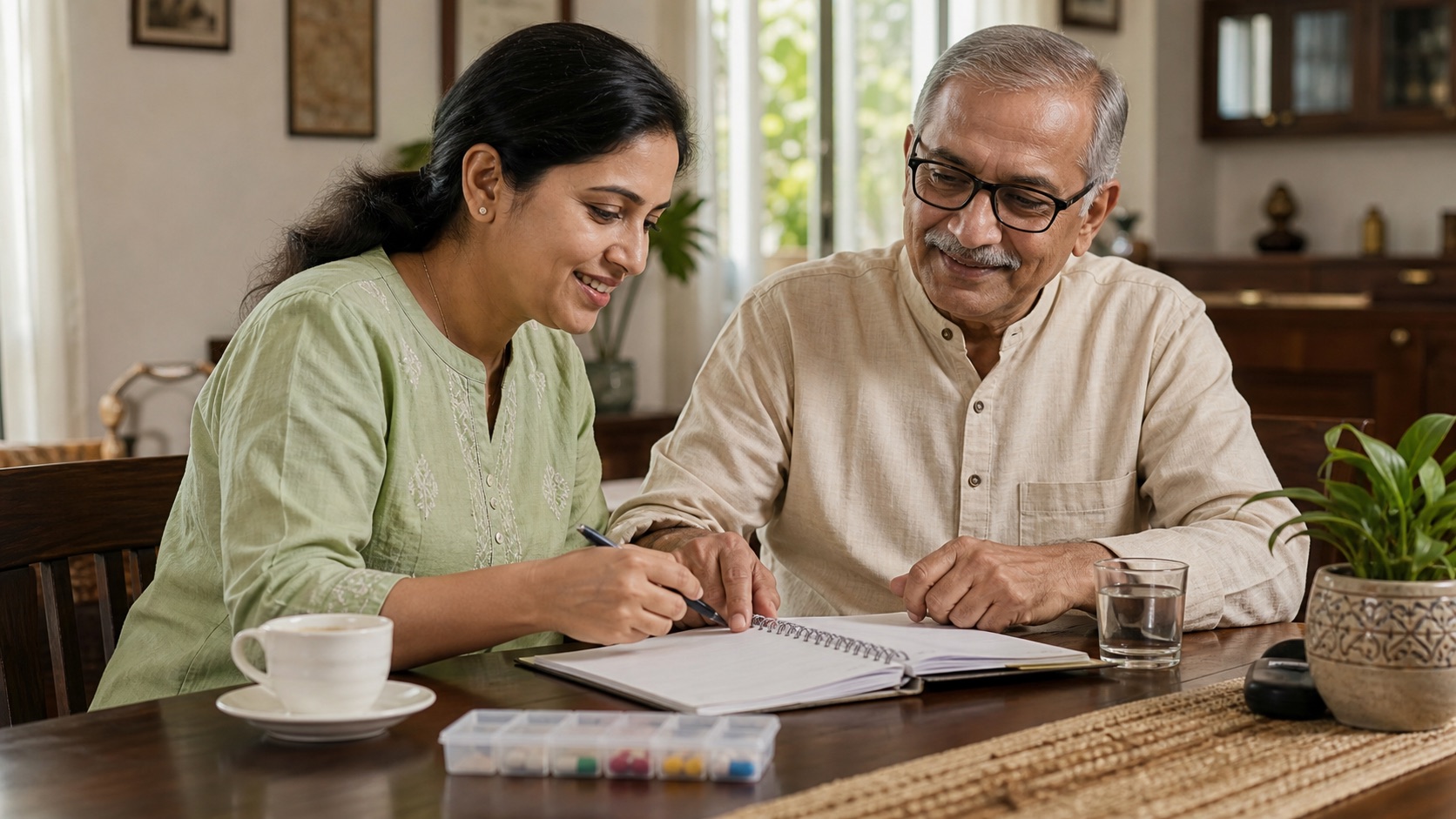
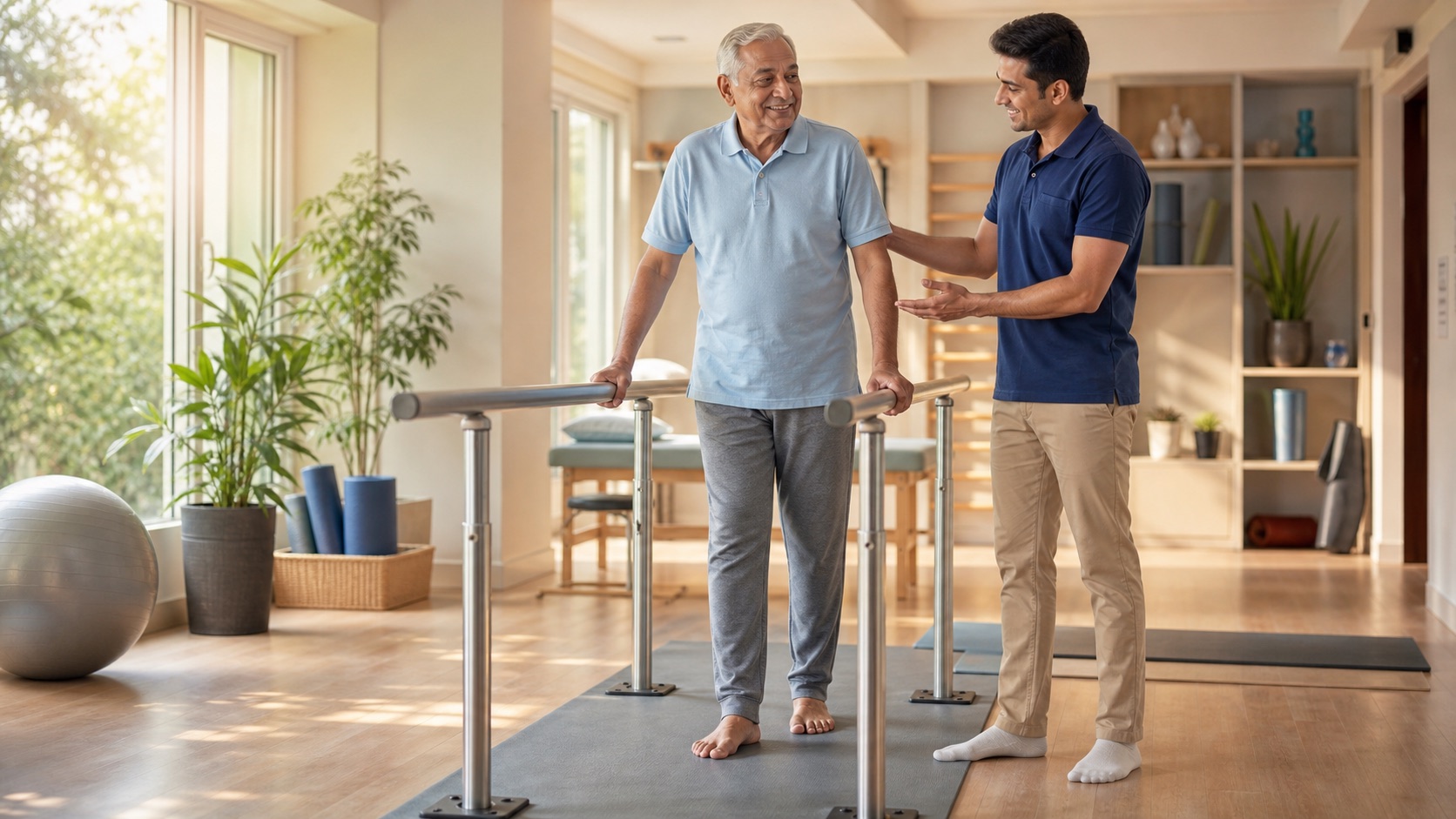
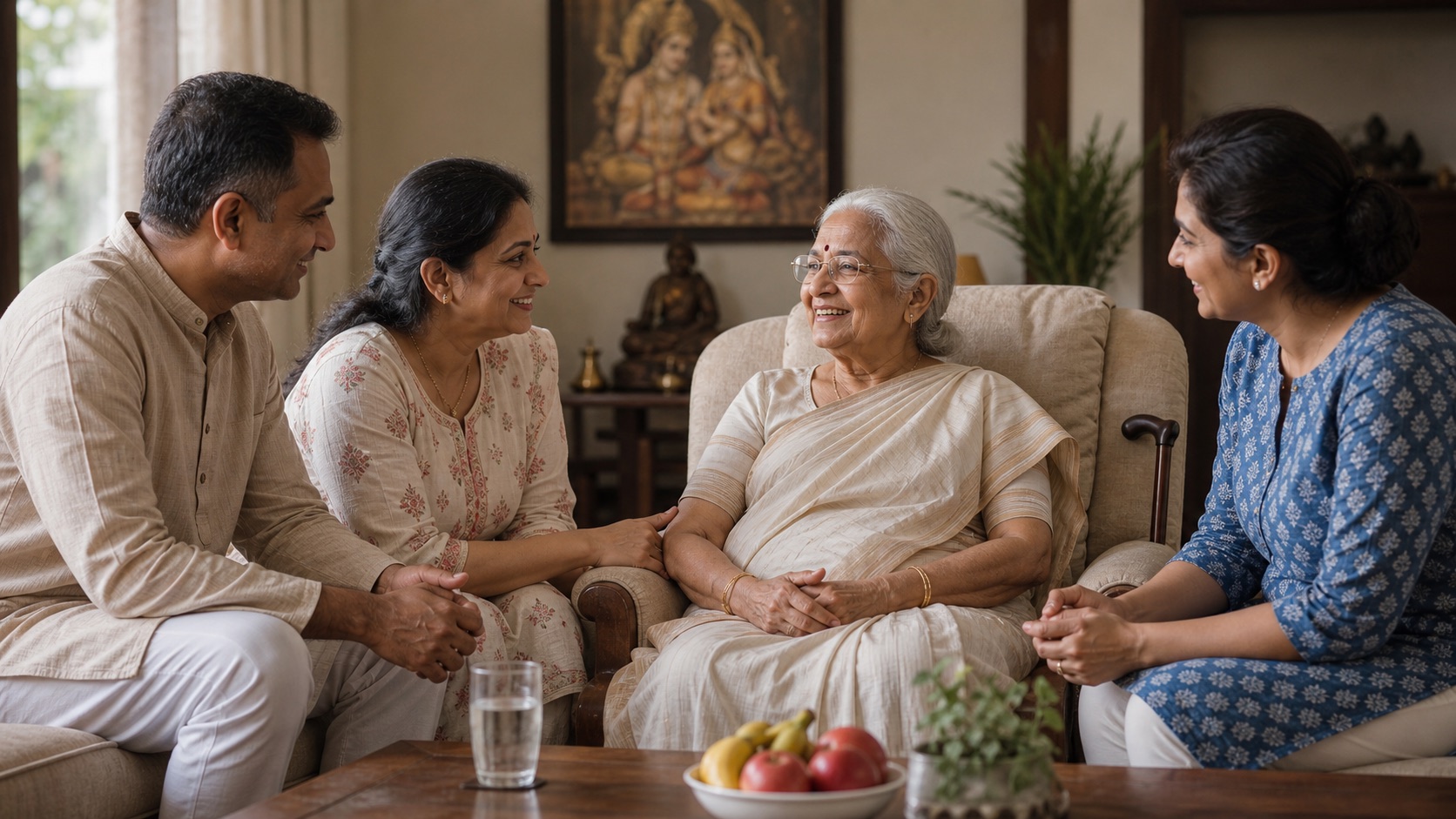
Three scenes that show how the guidance can look in family planning, safer homes, and supported community living.
At a glance
A safer home protects independence
The right home changes reduce the need for constant supervision by making safe choices easier.
Fall risk is a major reason to review home safety before a crisis.
Bathroom, bedroom, stairs, kitchen, and entry route.
Check bed-to-toilet movement in the actual night lighting.
Before you act
This article is for education and family planning only. It does not replace advice from a qualified doctor, geriatrician, nurse, physiotherapist, mental health professional, legal adviser, or other licensed professional. Seek urgent medical help for sudden weakness, chest pain, severe breathlessness, fainting, serious injury, or sudden confusion.
Questions families ask
What is the most dangerous room for seniors?
Bathrooms are often high risk because of water, turning, low seating, and privacy. Bedrooms and night routes also deserve careful review.
Should families wait until a fall happens?
No. Near falls, fear of walking, holding walls, and avoiding the bathroom at night are enough reason to audit the home.
Does safety equipment make the home feel clinical?
It can be designed discreetly. The priority is dignity, safe movement, and confidence, not a hospital look.
How often should the audit be repeated?
Repeat after illness, hospitalization, new weakness, vision changes, medicine changes, or any fall or near fall.
When should a family consider senior living?
Consider it when home changes cannot provide safe movement, social connection, emergency readiness, or caregiver sustainability.
Sources and review notes
Last reviewed: 2026-05-30. The care principles in this guide are based on public-health, ageing, and caregiving sources where available.